
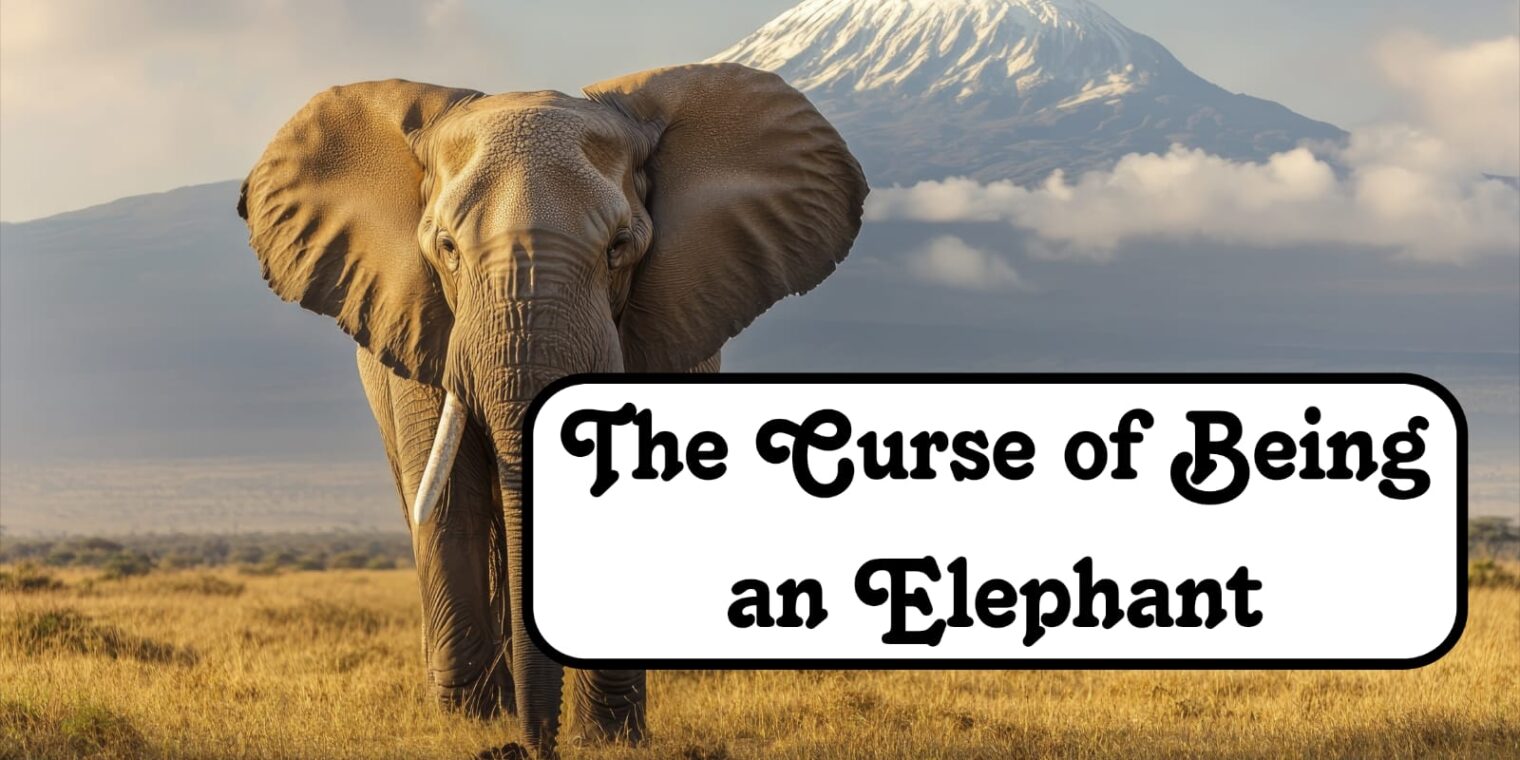
For elephants, their huge bodies and distinct shape, compared to other animals, have become a curse. Their size and form have given them a unique identity, and humans have found ways to use them to their advantage. Their tusks are used for medicinal purposes and to make decorative showpieces, while elephants themselves are used for tourism and devotional purposes. What makes it even more unfortunate is that they are probably unaware of all this.
In Kerala, elephants are famous, and we can see them almost everywhere. Earlier, they were used to move heavy loads such as timber from forests and sawmills. Later, with the advent of machines, they were gradually replaced. Still, in some places, they continue to be used.
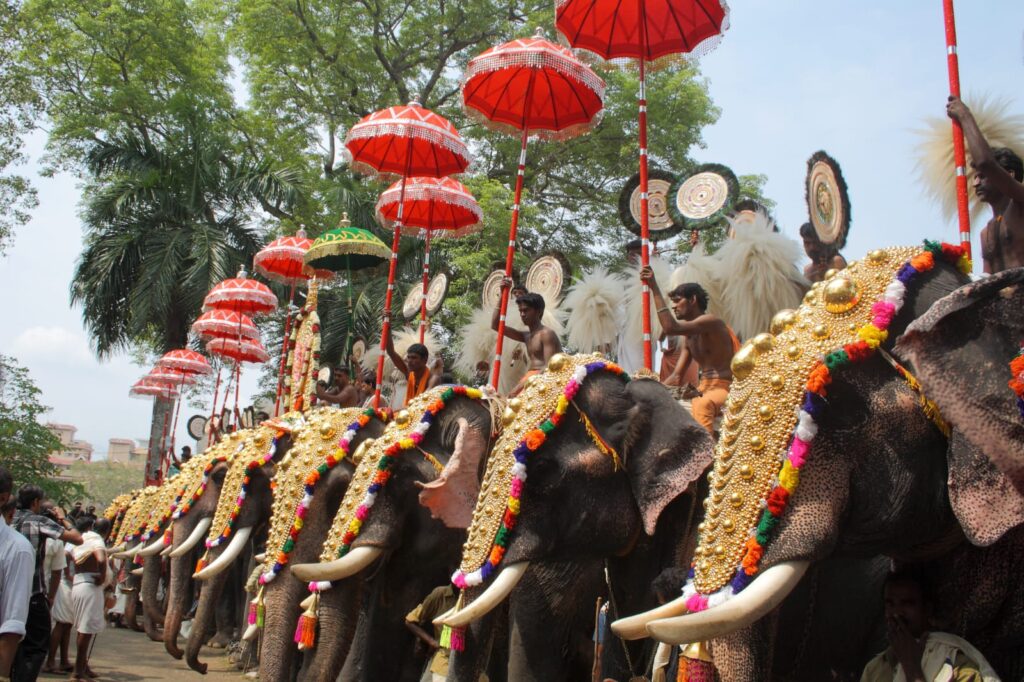
Even today, elephants remain a fascinating sight on the road. We see them near temples, at festivals, and sometimes even interacting with children. One cannot help but wonder: how can such a huge animal be controlled by a tiny human being? Elephant lovers should be aware of the stories behind this. After a long period of painful training, elephants are conditioned to carry a deity on their heads. It is not their belief in our gods that makes them do so. It is the result of the training they have undergone.
A few days ago, I saw a group of elephants walking along the road with their caretakers, while people watched them with curiosity. Even after all these years, we remain fascinated by the sight of an elephant, whether in the forest or among people. The elephants were silent, seemingly fearful of the small stick carried by their caretaker. I could also see several wounds on their bodies. Any act of disobedience comes at a heavy price for them. Even though the road beneath them radiated intense heat, they endured it. Most of us cannot imagine walking on such roads without footwear. Their feet are far more sensitive than ours, yet they continue to bear the pain.
The cruel reality is that humans often treat elephants brutally. In a horrific traditional process known as “the crush,” handlers use systematic torture, starvation, and sleep deprivation to break an elephant’s spirit and make it obedient. The animal is left with no choice, eventually being forced into complete submission to human control.
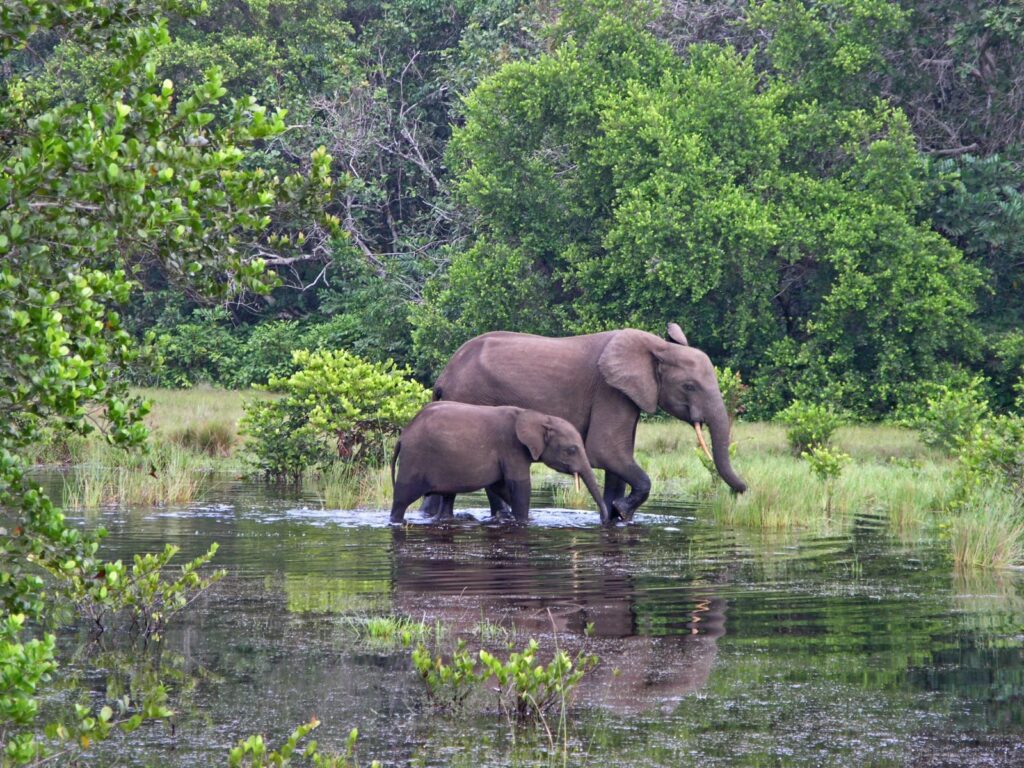
Elephants are known for their highly social lives. They move in groups, usually led by a strong female. When a calf is born, the entire group helps care for it. Yet this highly social animal is often separated from its mother at a young age. Calves are violently torn away from their families, causing deep trauma. A baby elephant is then confined in a narrow wooden crate during training. Chained tightly, it can barely move. Over days and sometimes weeks, handlers inflict constant physical pain using bullhooks, which are metal tipped poles, along with sharp sticks and nails. This continues until the elephant finally submits and human dominance is established.
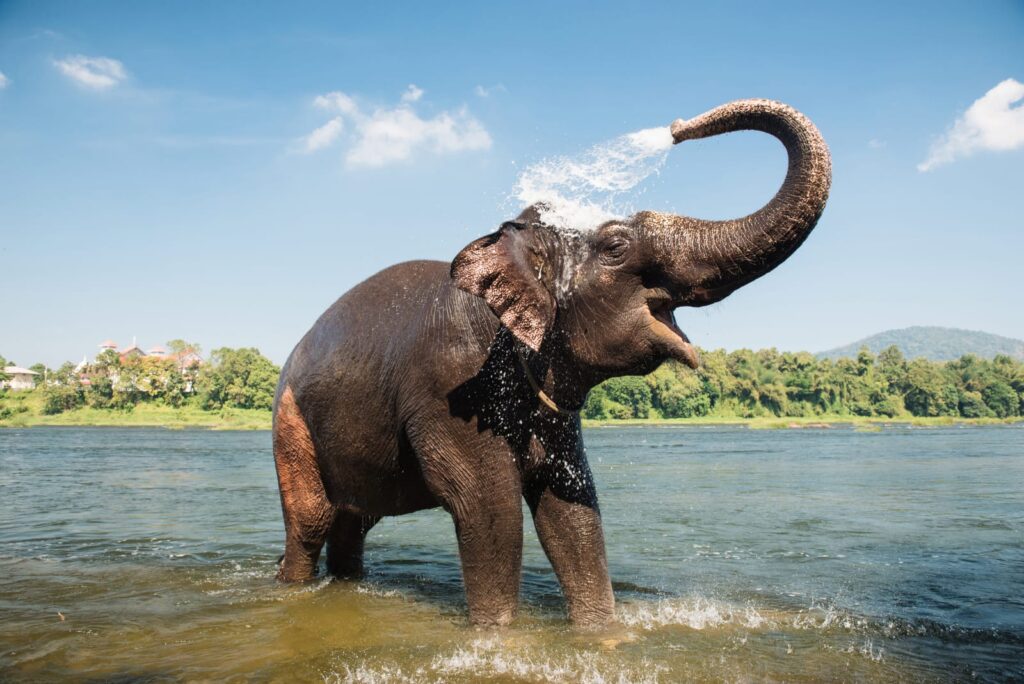
This lengthy training process ensures obedience. If an elephant later displays any wild behaviour, severe and lifelong punishment awaits it. Some elephants never truly surrender, even after enduring such brutality. They refuse to accept humans as their masters. These animals often become more stressed and difficult to manage. In such cases, humans either kill them or send them back into the forest.
Elephants possess remarkably strong memories. Within a herd, the matriarch is usually the oldest and largest female. She guides the family to water sources and feeding grounds, often following the same routes that have been used for generations. If an obstacle appears on their path, they simply remove it. Tribal communities understood this behaviour well, which is why they traditionally avoided building homes along elephant corridors. Adult males are commonly found outside the main family group.
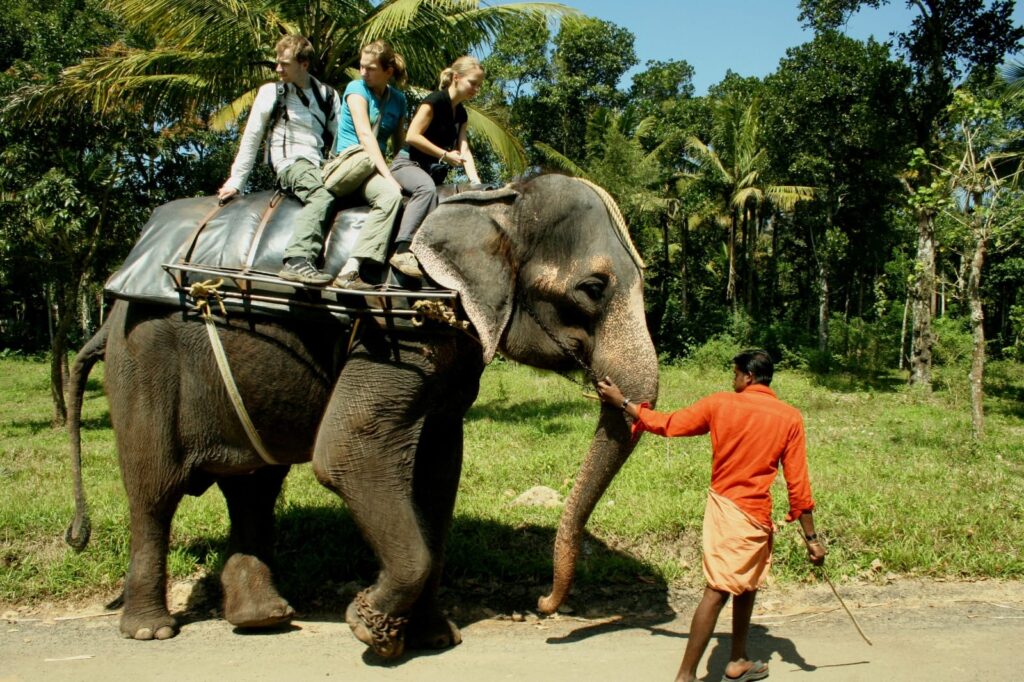
Today, conflicts between humans and animals have reached alarming levels. We all know who is responsible, yet the blame almost always falls on the animals. We mistreat them while remaining unaware of their true power. I have seen people approach elephants in the forest simply to take photographs. Any provocative movement can be dangerous. We do not understand their instincts or body language. Elephants are incredibly fast and powerful. They can easily harm us if they choose to. Yet, more often than not, they leave us unharmed. Unfortunately, we do not extend the same respect to them.
I truly love seeing elephants in the wild. There is something remarkable about their calmness, dignity, and pride. I deeply admire those qualities. What I do not understand is why so many people prefer to see them in chains and cages, and why they seem comfortable causing them suffering.
Marvelous
Yes it is a curse, please let them in jungle, even if a man doing crime he will get realse after years, elephent once out jungle, always alone in life, bandhura kanjana koottilanenkilum bandhanam bandhanm thanne paril. Saju chetta, my little brother, you do this wrtte up for poor animal with strong body