
A few days back, when the Kerala Legislative Assembly election was underway, I was surprised to read certain news reports about it. One BJP president was wearing the party symbol on his shirt. Some opposition members objected, and later he removed it. Still, I have no idea how this would influence a voter. How a voter would change their mindset by seeing a symbol just before casting a vote is unclear. After all, the voter is going to choose one of the symbols anyway.
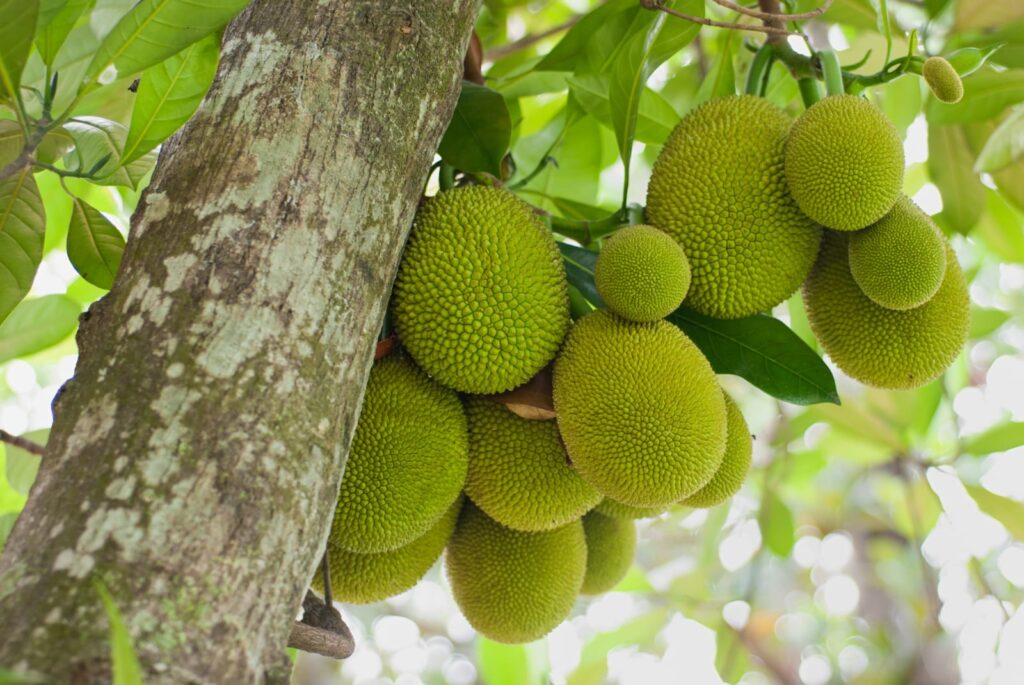
The other news was a little amusing. An Election Commission officer ordered that a jackfruit tree near a polling booth be covered because one candidate had the jackfruit as an election symbol. On election day, employees were assigned to cover the fruits, as they were believed to potentially influence voters.
This made me think about the Congress party’s symbol — the palm. Perhaps the Election Commission of India may allot them a new symbol soon, or people might be asked to cover their hands with a kerchief while casting their vote. Or maybe, after a few years, they may even ask people to cut off their hands. The irony is hard to ignore. Democracy itself seems to be weakening day by day, influenced not by symbols but by political practices. By that logic, people might also be asked not to carry pots of water, as those too represent certain symbols.
During elections, citizens are also restricted from carrying more than ₹50,000 in cash without proper documentation. Interestingly, this rule may have been introduced long ago. Since then, the value of currency has changed significantly, yet the rule remains the same, while politicians continue operating as they wish.
What we must understand here is that people are gradually losing their sense of logic and becoming highly influenced by technology. Otherwise, how can a jackfruit influence a voter? If a voter can be influenced by a fruit, what is the real value of democratic rights?
If social media influences voters more than anything else today, why are campaigns on these platforms not regulated more effectively? Newspapers are filled with advertisements that clearly influence public opinion. Political parties spend enormous amounts of money on banners and flex boards that remain long after the campaign ends. Do these not influence voters? Ideally, citizens should question and even vote against those who create such visual clutter and unnecessary expenditure. Rules may exist to remove this waste after elections, but who truly enforces them?
Today, social media has the power to gradually influence our thinking, sometimes weakening our ability to reason and distinguish what is good or harmful for us. Governments often encourage these systems because they benefit from them. Meanwhile, people rarely raise questions about issues that truly affect their lives. Instead, public discussions revolve around whatever content is pushed toward us, keeping society distracted and occupied. As a result, meaningful concerns receive little attention.
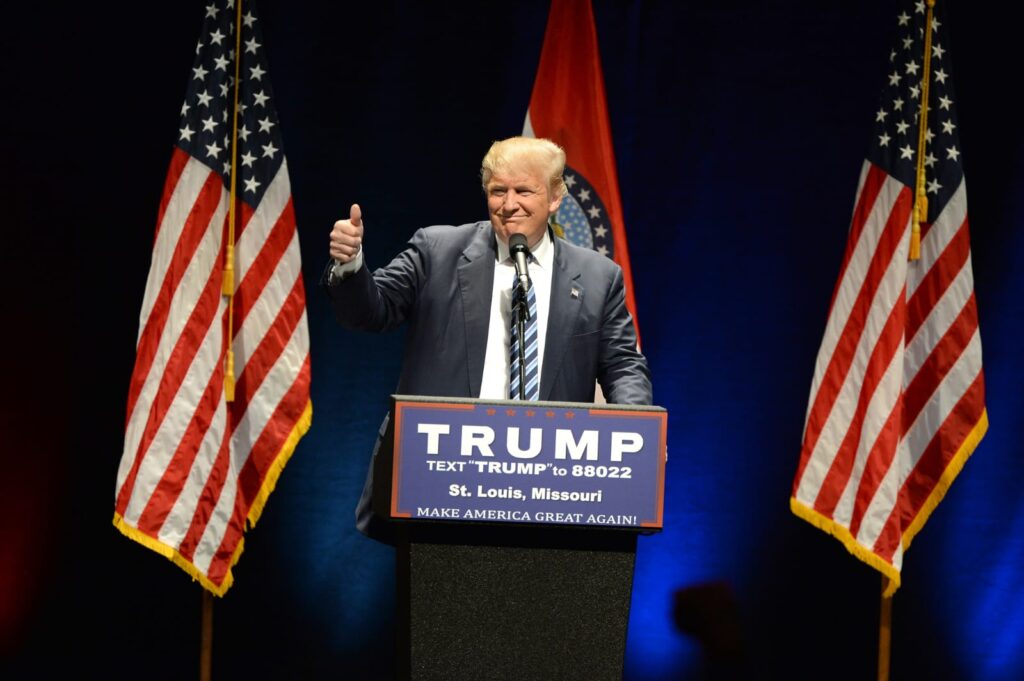
At the end of this reflection, I recall how Donald Trump left the White House a few years ago. Many former presidents had received a second chance to serve, yet he was not re-elected at that time, as many considered him one of the most controversial presidents in United States history. He stated then that he would return stronger — and eventually, he did come back to power. Social media played a significant role in shaping public opinion and influencing voters at a massive scale. Even with no majority, he secured the majority and enough votes to lead the country.
This illustrates how influence operates in modern democracies. It is rarely direct. It is subtle, repetitive, and often invisible.
Instead of covering jackfruits near polling booths, the Election Commission of India should focus on creating a transparent environment where voters’ minds are not manipulated by hidden influences. That is the real threat capable of damaging democracy.
In the end, citizens are presented with only a limited set of choices. We do not truly select our leaders; we merely choose from the options already placed before us.
Good thoughts