
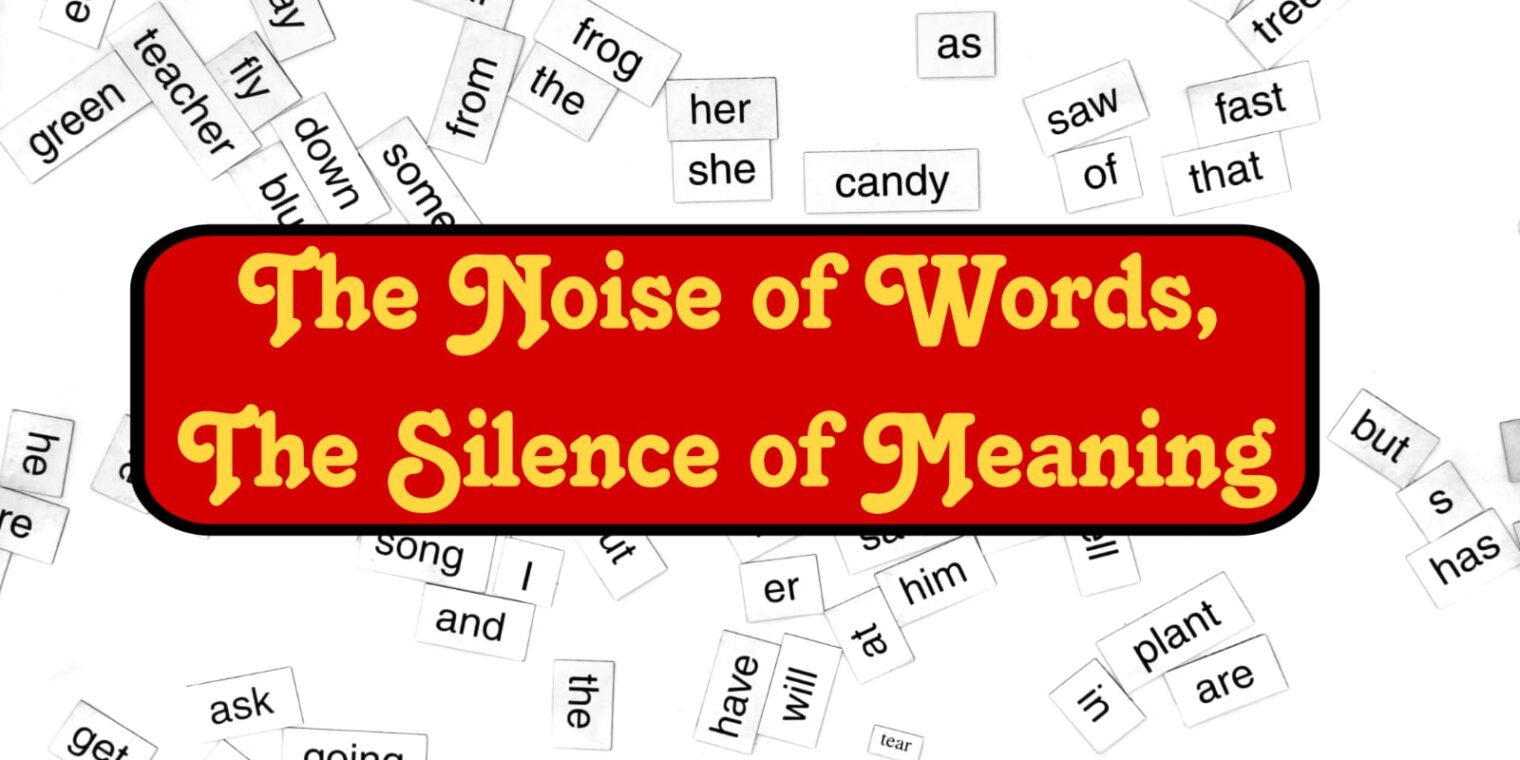
Our language has become our pride and identity. We often witness conflicts that arise in many regions in the name of language. Even today, several states uphold their language with deep passion and firmly believe that people who come to their land should communicate in their language.
However, many years ago there existed a wide variety of languages without the rigid boundaries and sensitivities created by states. Languages flowed into one another and coexisted within a shared cultural space. Among them, certain languages gradually received greater importance and priority, growing stronger over time—such as Hindi and Tamil.
Centuries ago, communication was not structured through fully developed languages. Human beings depended mostly on signs, gestures, and incomplete sounds to communicate. Even today, there are tribal communities in different parts of the world that do not possess a fully structured language in the modern sense.
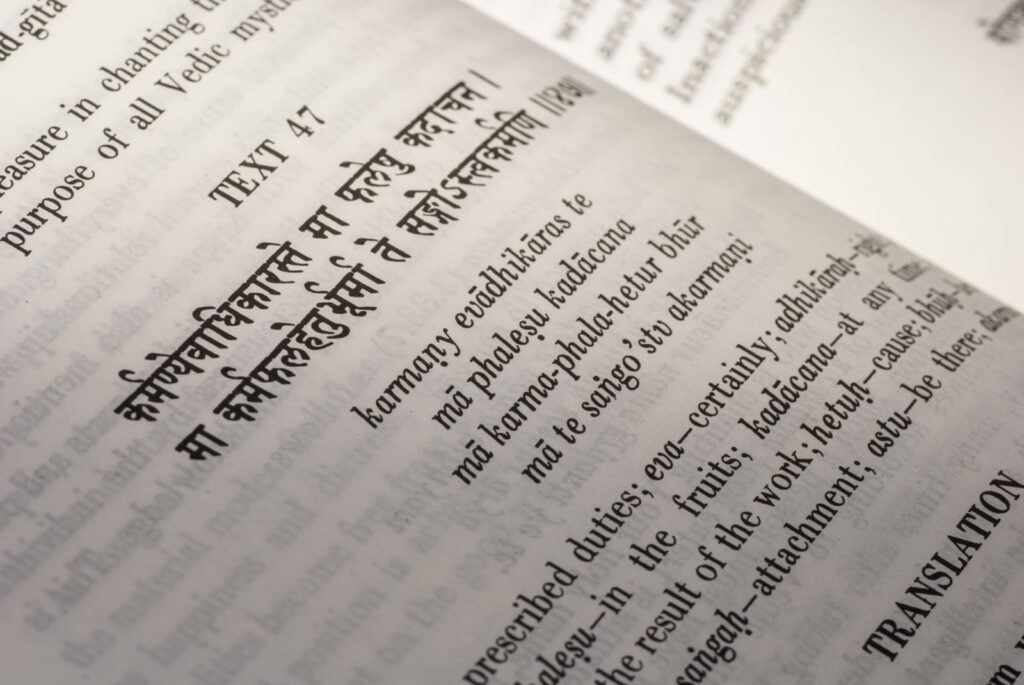
As languages developed, human civilization began producing remarkable forms of art and culture. Art evolved alongside the growth of language. Through language we created songs, literature, and movements of thought. Emotions, joy, sorrow, celebration, and human imagination all began to find expression through words. Many ancient artists and scholars shaped beautiful lyrics, ragas, poems, and artistic expressions using the richness of vocabulary and language.
Languages also gave birth to epics and stories that carried the wisdom of generations. Great literary works such as the Ramayana and the Mahabharata travelled across regions through language and storytelling traditions. Tamil Sangam literature preserved the culture and philosophy of ancient societies. Similarly, countless folk songs and oral traditions across villages captured the everyday lives, struggles, and celebrations of ordinary people.
Language therefore became not only a tool of communication but also a vessel that carried knowledge, identity, memory, and culture from one generation to another.
However, the same language that once grew continuously now appears to have reached a stage where its growth has begun to turn inward. In some ways it has advanced so far that it now struggles to serve its original purpose. Language was created to convey feelings and express the inner thoughts of human beings. Today, ironically, the same language often fails to fulfill that purpose.
In the modern world, language is increasingly used for argument, division, and manipulation rather than genuine expression. Words are often twisted, exaggerated, or emptied of their true meaning. Political speeches use powerful language but frequently conceal the truth. Social media conversations are filled with words yet lack real understanding. People speak more than ever before, yet true communication seems to be diminishing.
Consider the word freedom. It once carried deep meaning connected to sacrifice, struggle, and dignity. Today it is often used casually in slogans and advertisements. The word development once referred to meaningful progress in society, but it is now frequently used to justify decisions that may harm nature or communities. In many ways, language has become louder but less sincere.
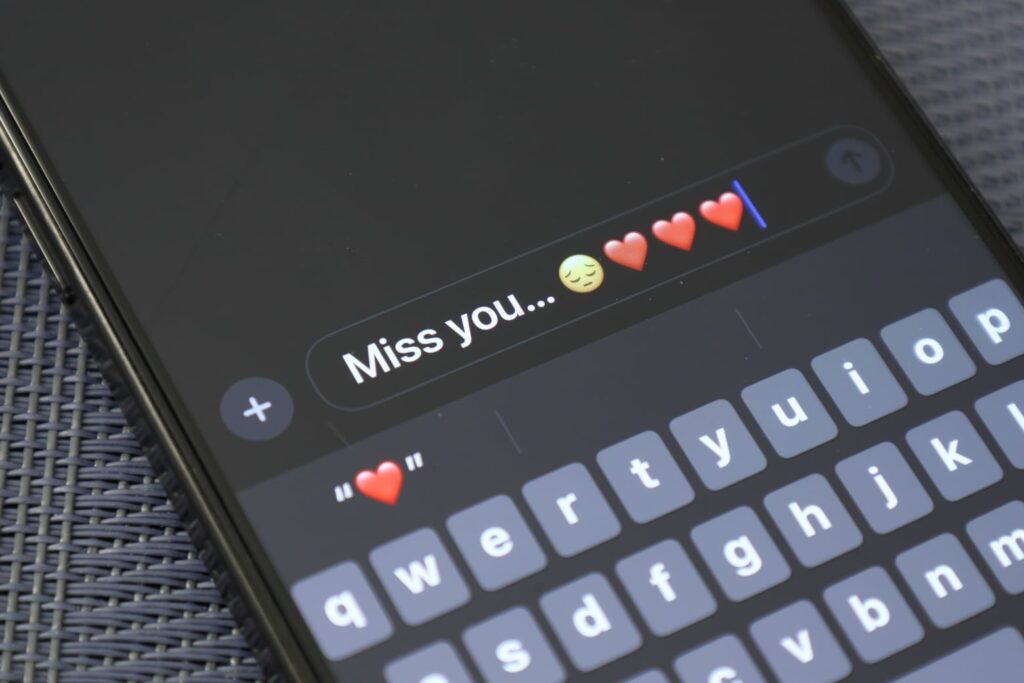
Another example can be seen in daily digital communication. People exchange hundreds of messages every day, yet meaningful conversations are becoming rare. Emotions are replaced by quick reactions, symbols, and short responses. Language that once built poetry and philosophy is now often reduced to fragments that barely carry depth.
This situation raises an important question: If language was created to help human beings understand one another, why is misunderstanding increasing in a world where language is more developed than ever before?
Perhaps language itself has not failed. Perhaps it is the way human beings use language that has changed. Words have become abundant, but sincerity has become scarce. Communication has become faster, yet understanding has become weaker.
Language was once the bridge between hearts and minds. Today, in many cases, it has become a wall that separates them.
If this continues, language may slowly lose the depth it once carried. The challenge before us is not to create new words, but to restore honesty and meaning to the words we already have.
👌🫶🏻🫶🏻🫶🏻🫶🏻👌