
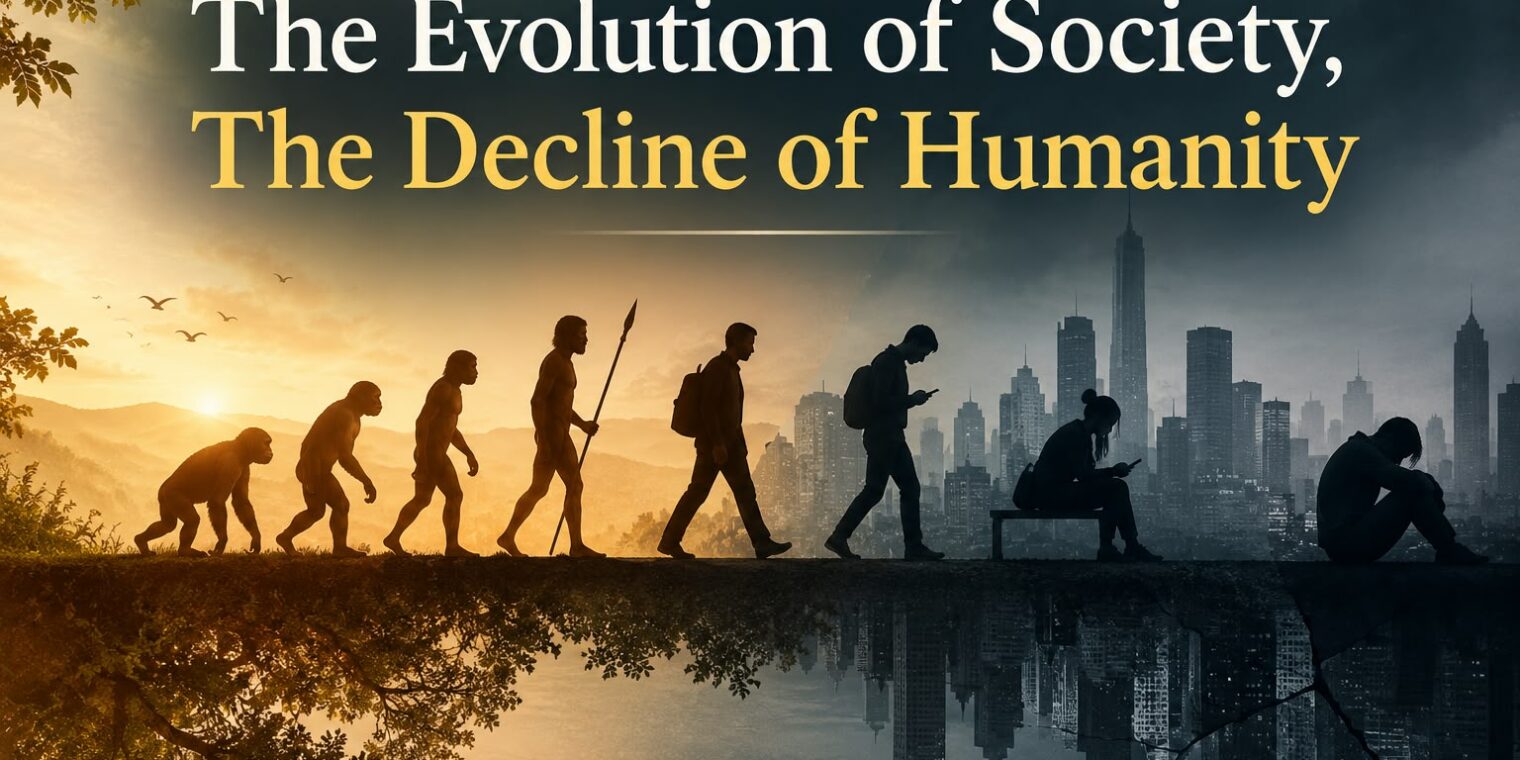
A few years ago, it was clear that humans were simply animals. Over time, through civilisation, we’ve evolved from animals into what we now call humans. However, in many ways, we’re still evolving—we’re civilised animals, while other species remain mostly unchanged. They might not desire any changes, seeing the worst of us. Yet, one thing stays true: we still exhibit animal behaviours, reminding us that our journey of growth isn’t fully complete yet and, unfortunately, that completion will never happen.
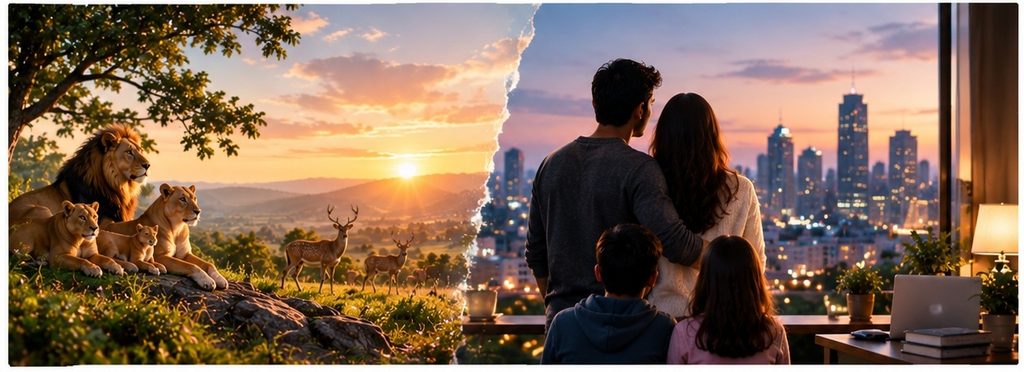
The differences between humans and animals are quite clear. Animals mate naturally, give birth, and grow just like us. When they’re old enough to find food, they usually go their separate ways from their mother. Interestingly, many animal fathers actually don’t play any bigger role than just mating, yet they aren’t criticised for not caring for their young. Once the young animals are ready to hunt or find food on their own, they tend to drift apart from their parents. Even in groups where they stay together, the relationships aren’t quite like human parental bonds. This cycle then continues: parents find new partners, and life goes on. When the young animals grow up and are ready to mate, they follow the same pattern. Basically, aside from humans, most species follow this same story.
Have you noticed how things change when it comes to humans? Instead of focusing on creating a strong bond, often parents are just looking for a match based on financial status, caste, or religion. Once they are separated, the pool of potential partners shrinks. By focusing on other qualities, couples can find each other more meaningfully. If the financial aspects align, they often proceed with marriage. Then, when the time feels right, they may start thinking about raising children. But many now see a child as a burden, since raising one can cost lakhs, unlike caring for an animal, which costs almost nothing. If someone chooses to have a child, they need to choose the right hospital and doctor. Right after birth, plans for the child’s future are made, often leading to confusion about which subjects to study, which school to attend, how much money to invest, and how to secure admission. This cycle goes on—before long, the child grows up, gets a job, and marries. Yet, across generations, something seems to be missing…
A few generations ago, the process was quite similar, with only a small gap between generations. Today, the generation gap feels much deeper—it’s not just about different ages but a significant divide where understanding the new generation can be challenging, even though we often still expect the same things we used to follow from our ancestors.
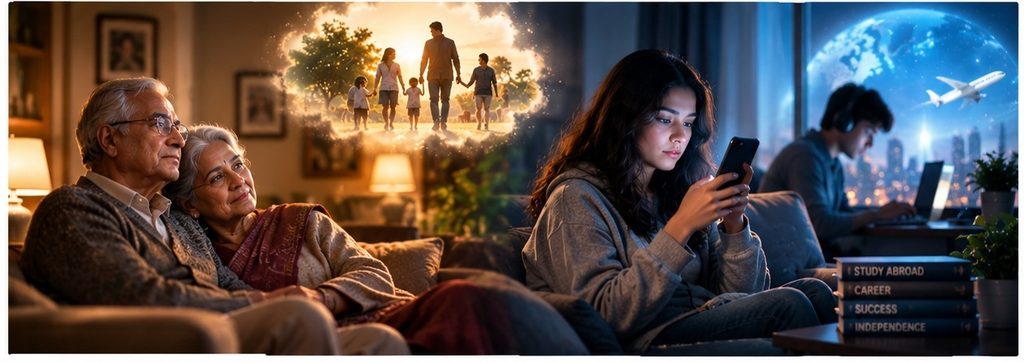
In today’s world, especially with the rise of technology, emotional connections often feel weaker. Even when there’s an opportunity to share, it sometimes feels like nothing is truly exchanged. Parents still pour their love, care, wealth, and everything they hold dear into their children, but the new generation doesn’t always respond in kind. There’s less room for emotional understanding, and many have forgotten how to nurture and keep emotions alive. Instead, that space has been taken over by what we might call unwanted knowledge, which fills it instead.
A generation ago, kids generally remembered and cared for their parents, whether they enjoyed it or not. But now, we’ve changed everything—including the emotional bonds—so parents often wonder, once their children grow up and move on with their lives, will they be there to support them in tough times? Many realise the answer is likely no, but they might not see who is truly responsible for this situation. It’s often because they themselves encouraged their children to pursue higher education abroad, dream of jobs overseas, and focus solely on their own lives—never sharing or caring about others. These lessons are learned and then reflected back onto their parents.
This may be called faith, simply followed for money and greed, and whatever new comes, we immediately go to hug them up without a second thought. Finally, we are suffering like hell.