

Recently, I was in Bangalore for a couple of days. In fact, nowadays, I am afraid to go to big cities. Traffic congestion kills you on one side, while the overcrowding of vehicles is killing the cities on the other. Almost everyone has multiple vehicles today. Vehicles are so cheap in India that, nowadays, they are no longer just a convenience. It has almost become mandatory to have at least two vehicles, while most cities still do not provide a good public transportation system.
Anyway, that is not my topic.
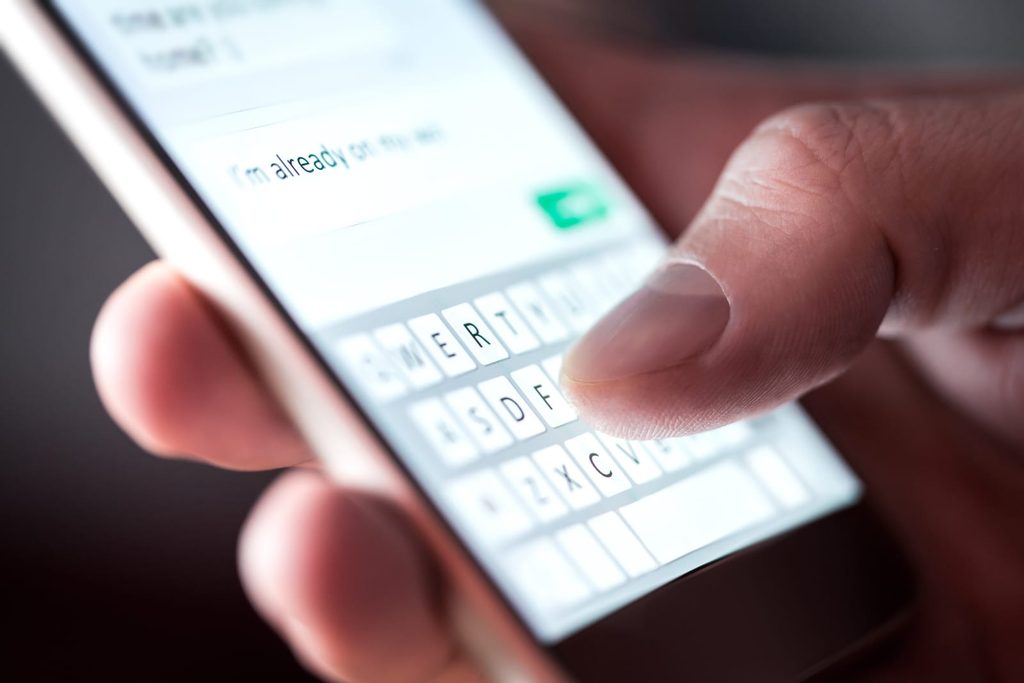
I usually avoid using my phone in certain places, such as at the dining table and in the bathroom. Even during conversations, I try to avoid using it as much as possible. I believe it shows respect for the other person. I also avoid using my phone at night. While exercising and walking, I keep my phone away. Still, this has become an unavoidable part of our lives. We have no choice.
Or perhaps we have convinced ourselves that we have no choice.
That night, I was stuck in traffic, which is common in Bangalore. The next morning, I went down to the hotel restaurant for breakfast and simply observed the people around me.
At the next table, a girl sat eating, holding her mobile phone in one hand and eating with the other. But her focus was entirely on the screen. She was not looking at anything except her phone. After some time, her friends joined her for breakfast, but she visibly avoided them, gave them a fake smile, and immediately returned her attention to the phone.
This is not just her case. Most people do the same thing.
People have completely fallen for the mobile phone. In her case, she was not even experiencing the food she was eating, the people sitting around her, or the restaurant staff serving her. She was physically present at the table, but her attention was somewhere else.
That, perhaps, is the strangest thing about the mobile phone. It does not necessarily take our physical presence away. It takes our attention away. We remain where we are, but our minds are somewhere else.
In another case, the next day, I took a taxi for my meetings instead of driving myself. One reason was the traffic congestion, and another was the fear of people who drive carelessly while looking at their mobiles or talking on them. In both cases, they could get into an accident and blame us. Today, I avoid driving in unknown cities for this very reason.
The Uber driver came on time. He was a young Tamil guy called Hariharan. Initially, he started a conversation with me, asking whether I needed the AC, even though using it was not his preference, since I had booked an AC car. Still, I did not raise any objection. If I asked him, he would turn it on. I said fine.
Then I noticed that his attention was half on the road and half on the mobile screen placed on the dashboard.
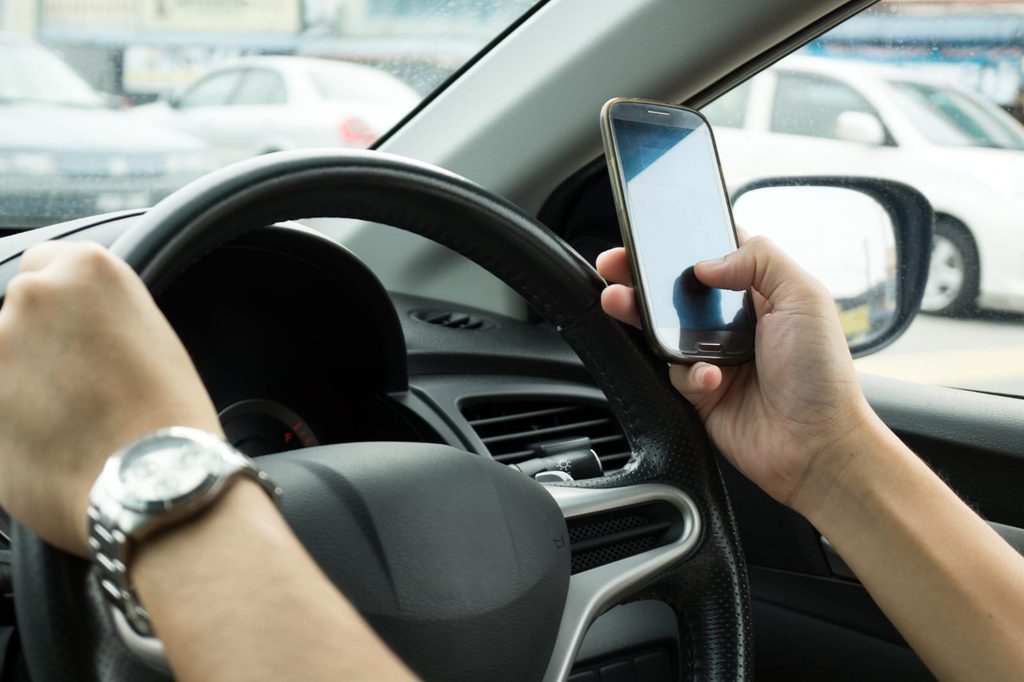
He was watching videos on his phone.
I raised my concern once, but I realised that he was not going to stop. At first, he dropped me at another destination, made excuses, and asked me to enter the destination in the Uber app, even though he had been driving in Bangalore for years and still did not know the destinations properly.
I realised that this was not just his story.
If I changed him, the other driver could be even more pathetic.
We are helpless.
What has happened to us is not simply that we use our phones too much. We have slowly allowed the phone to become a part of almost every moment of our lives. We take it to the dining table, to the bathroom, to bed, into conversations, into meetings, into cars, and even into moments when there is absolutely nothing that requires our attention.
The phone has become the first thing many people look at in the morning and the last thing they look at before sleeping. A few seconds of silence, waiting, boredom, or simply doing nothing has become difficult for us. The moment there is a pause, the hand automatically reaches for the phone.
Perhaps we are no longer using the phone. Perhaps the phone is using us.
In another story, I stopped over in Mysore the next day. Again, in the morning, I went for breakfast. The food was very tasty, and while eating, I curiously watched the tables in front of me.
Two Tibetan Sadhus were sitting there.
I had some hope in them, having read a lot about their culture, country, and people. I expected to see a certain simplicity and detachment from the material world.
Unfortunately, I saw the worst in them.
One of them was eating with his hand and holding the phone in the other, scrolling on his mobile with the same right hand that he was using to eat.
I turned my head in disgust.
Then I realised there was no hope left on this planet.
We, the people, are completely addicted to the phone.
It does not matter where we come from, what we do, how educated we are, how old we are, or what kind of life we lead. The phone has managed to enter all of our lives. It has crossed the boundaries of class, profession, culture, age, and even geography.
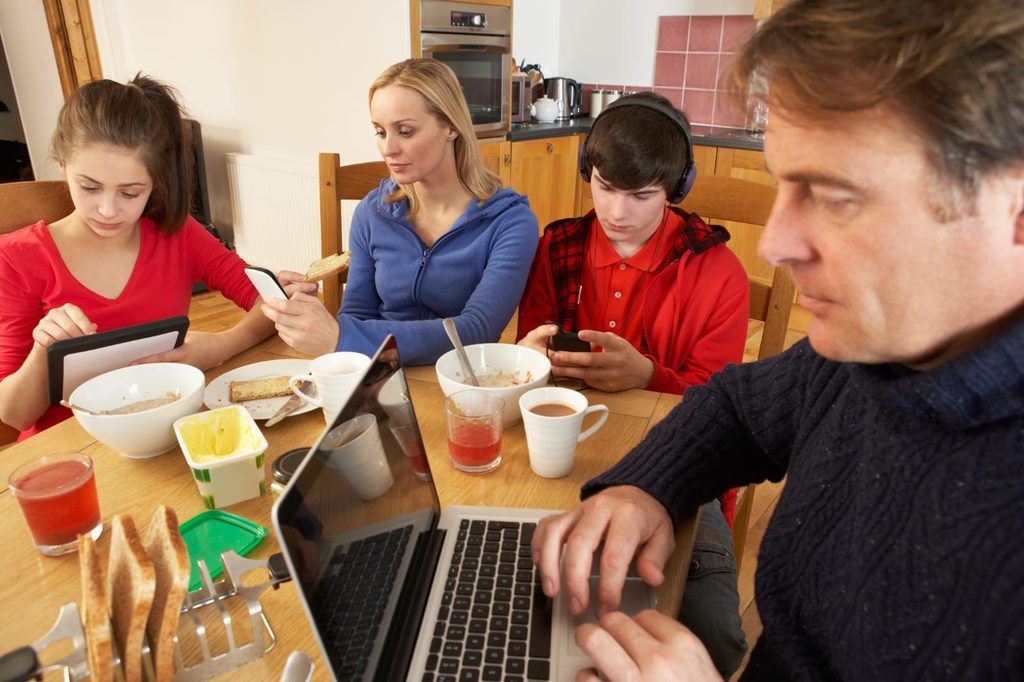
The irony is that the device was created to connect us with the world, but somewhere along the way, it has started disconnecting us from the world immediately in front of us.
We are connected to people thousands of kilometres away, but we are unable to look into the eyes of the person sitting across the table.
We know what is happening in the lives of people we have never met, while sometimes we do not notice what is happening in the life of the person sitting beside us.
We photograph the food before tasting it. We record moments before experiencing them. We check messages while someone is speaking to us. We look at the screen while travelling through beautiful places. We even use the phone when there is nothing to do, as if doing nothing has itself become unbearable.
I do not know where this will eventually take us.
Technology has certainly made our lives easier. I am not against the mobile phone, and I am not pretending that I can live without one. I use it too. We all do. There are things that have become impossible without it, and there is no going back to the world that existed before it.
But perhaps the real question is not whether we can live without our phones.
Perhaps the question is whether we can still live with them without allowing them to take away our lives.
Because a phone should be something we use when we need it.
It should not become something we need every time we are left alone with ourselves.
❤️❤️