
Why is the Congress party always struggling to select a Chief Minister ? What was the hurdle in choosing a leader? Why does everyone in Congress appear to be a leader unto himself? Why does the party seem to become visible only during election season? Why was the Communist Party of India (Marxist) emerging strong during the period of Congress ruling? There is no need to research why Congress has been facing repeated failures in elections. Yet Rahul Gandhi continues to raise new issues and themes. Why does none of it seem to lead anywhere? Why is he unable to align himself with the public mandate? He appears vulnerable to being influenced by anyone around him. When the party calls upon him to lead, he retreats into the background. If the party genuinely wants him to take charge, why does he repeatedly shy away from power?
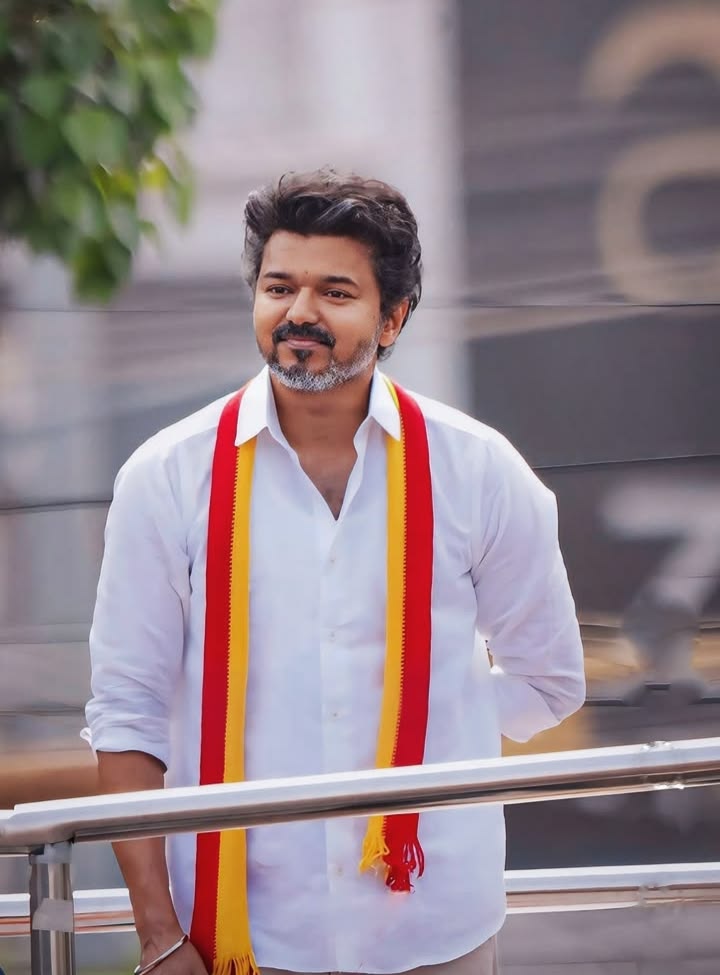
Congress in Kerala has achieved an unexpected and remarkable victory, winning an impressive 102 seats under the United Democratic Front banner. It was a stunning comeback and a much needed relief for a party that had been politically and financially weakened. Tamil Nadu held its election after Kerala, but the results were declared on the same day. Even Vijay’s performance was surprising. He fell short by 10 seats from securing a clear majority, yet he moved swiftly, took the oath, and assumed office as the youngest Chief Minister. In contrast, despite securing a decisive mandate, today only Congress declared VD Satheesan as CM. Congress was sweating over the choice of its Chief Minister. For a party that has been handed such a resounding verdict, this delay was deeply embarrassing.
Why did Congress delay to select a Chief Minister when it has a clear majority of its own? It does not need coalition arithmetic or external support to prove its numbers. The reason appears to be simple. The party lacks a single decisive leader who can take a firm decision. The shadow leadership seems unable to act promptly and confidently.
Pic credits:
globalindiabroadcastnews.com
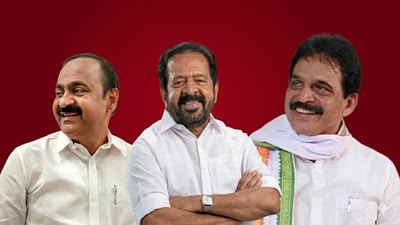
There were three prominent contenders for the Chief Minister’s post.
The first is V. D. Satheesan, who led the campaign and played a central role in the electoral victory. Even he himself was aware his path towards cliff house was not smooth; nobody laid out a red carpet for him to take an oath.
The second is Ramesh Chennithala. As a senior leader, he believes he has earned the right to occupy the top position. He has reportedly described this as his “last bus.” As he himself implied, if he misses this bus, it may be his final realistic chance to become Chief Minister.
The third is K. C. Venugopal, often referred to simply as KC. As the General Secretary of the All India Congress Committee, he is widely seen as a key decision-maker and someone who acts with the confidence of Rahul Gandhi. In many circles, he is regarded as more influential than the state leaders themselves. He may not have anticipated such a landslide victory; otherwise, he might have contested the Assembly election directly. As a Member of Parliament from Alappuzha, he would still need to win an Assembly seat later. Since he had a major role in selecting candidates, he likely ensured that a significant number of legislators would be supportive of him. While trying to preserve his current position, he may also have quietly nurtured ambitions for the Chief Minister’s post. Had he foreseen such a decisive mandate, he might have positioned himself more openly from the beginning.
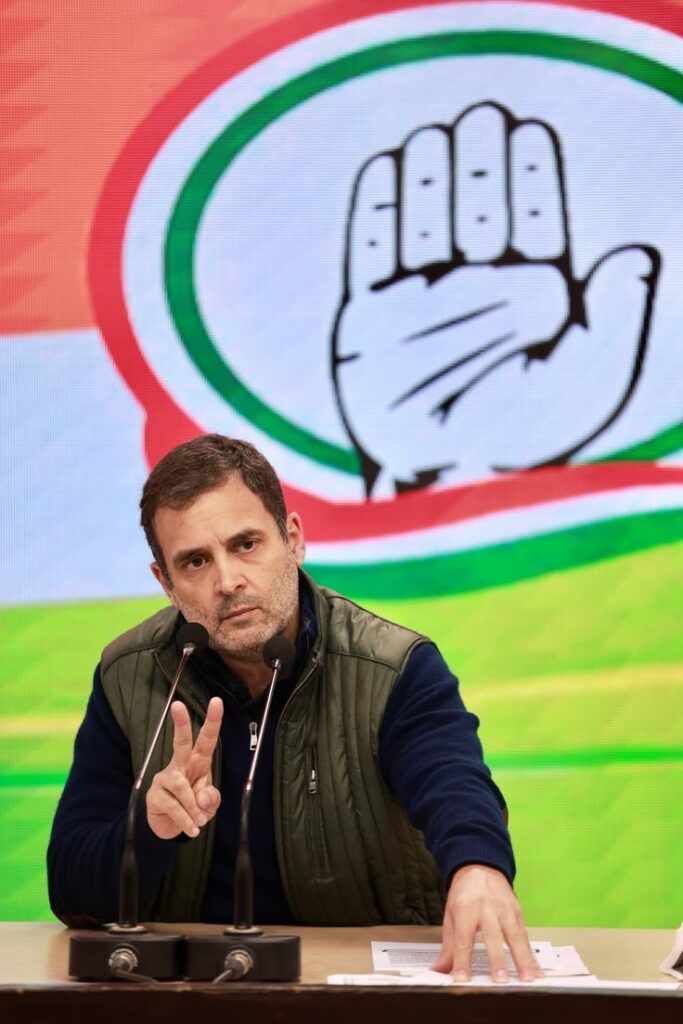
Rahul Gandhi has often been criticized for missing political opportunities. He tends to take time to deliberate, but by the time a decision is made, the moment may have passed. This pattern has been observed repeatedly. Many Congress supporters believe that indecision at the top has cost the party crucial opportunities in states such as Rajasthan and Madhya Pradesh. His political style, which includes visits to colleges, interactions with fishermen, and dinners with ordinary families, may create symbolic value, but many voters are looking for a leader who projects clarity, decisiveness, and executive authority. In that comparison, he often appears hesitant.
Traditionally, the Congress Legislature Party would meets and elects its leader, it’s a pattern to select parliamentary party leader, and that leader would become Chief Minister. Formally, that process remains intact. In parties such as the Bharatiya Janata Party, however, the central leadership often makes the decision and communicates it to the elected legislators, reducing uncertainty and delay and burden for its members. Congress still prides itself on internal democracy, which is admirable in principle. But democracy without decisive leadership can turn into prolonged indecision.
Eventually, a Chief Minister will be selected. The only question is how long the party will take to clear the political fog. If the process continues indefinitely and the constitutional machinery is strained, one might jokingly wonder whether the Governor will have to intervene. In that case, perhaps they may even consider inviting Pinarayi Vijayan back, simply because he has never had a problem deciding who is in charge.
Adding just a bit of gossip heard on the street. Since the Gandhi family can’t forget who served them better in good times with nice fish and chips, they are unable to select one among them, hence they called all Congressmen from Kerala to Delhi to choose the Chief Minister.
Good thoughts
Do you have any recommendations on how the Congress party can develop a decisive leadership?