

I am a regular traveler to the southern states of India, and over time, I have noticed one very striking difference. When you travel through village areas in most states, restaurants are few and far between. Food stalls appear occasionally, usually near highways or bus stops. But the moment you enter the Kerala border, something changes. Even without seeing a signboard, you can sense that you have entered Kerala. The reason is simple. The presence of restaurants, bakeries, tea shops, and food stalls everywhere announces it clearly.
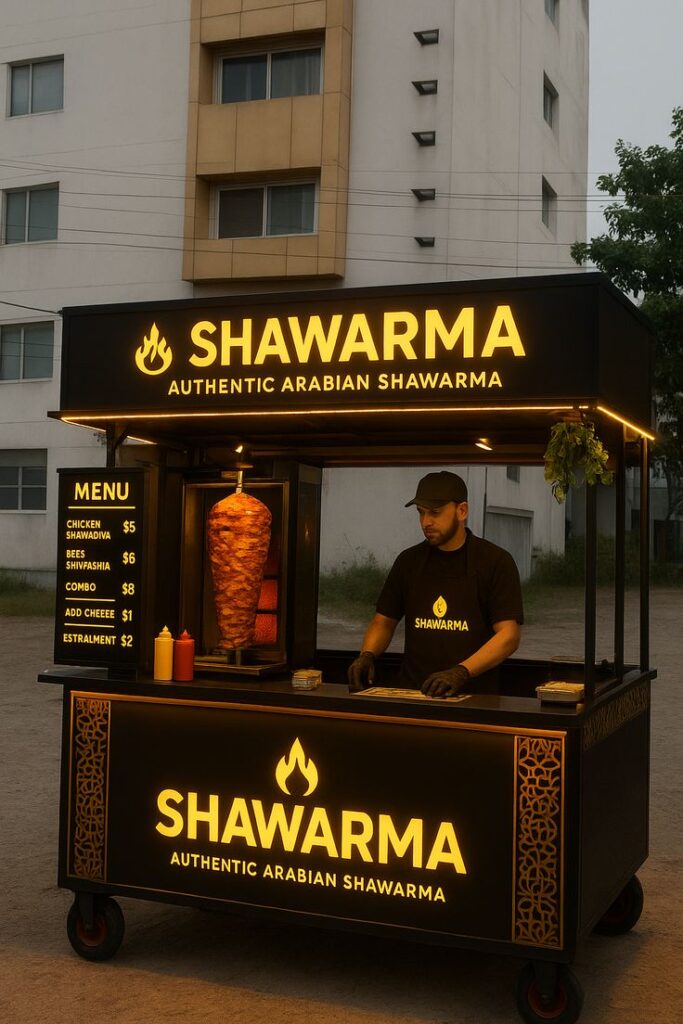
In fact, throughout Kerala, even the smallest interior roads are lined with food outlets. You can find Italian food, Arabian food, Rajasthani, Punjabi, Kannada, and almost every Indian variety of cuisine available within short distances. From shawarma stalls to fancy cafes, from bakeries to small roadside hotels, food has become a constant companion on every street. There was a time when eating outside was considered a matter of low esteem. Restaurants existed mainly for people who worked away from home, mostly for morning breakfast or an occasional evening snack. Home food was valued, and eating outside was rare.
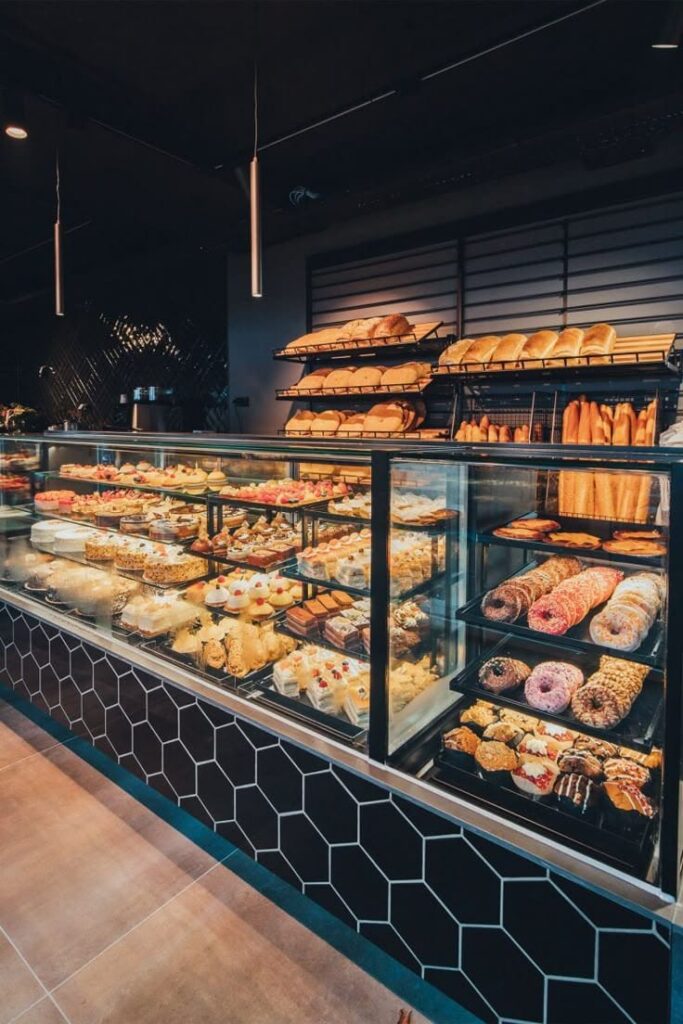
Today, eating out has become a habit for Keralites. Bakeries, hotels, medical shops, and hospitals have become the face of Kerala cities. These establishments define the urban landscape more than playgrounds, farmlands, or community spaces. Farming was stopped long back in many areas, and most food now comes from Tamil Nadu and other states. The connection between people and the land has weakened, and food has turned into a product rather than a process.
Ironically, while the food supply comes from outside, the cooking is often done by migrants. Bangladeshi and North Indian workers cook the food, Keralites eat it, and after that, many end up visiting hospitals to manage obesity, diabetes, heart problems, and lifestyle diseases. The number of super specialty hospitals is increasing rapidly across Kerala. Even at a small junction, one can find a medical shop operating late into the night. Healthcare has become a booming industry, supported by the very lifestyle that food culture has created.
Kerala today shows an interesting contradiction. It is not an industrial state, yet it hosts more than fifty lakh migrant workers. At the same time, almost the same number of Keralites work outside India. Migration has become a way of life. The reason behind this movement is the constant search for better jobs and better pay. Many people do not want to take up what are considered normal jobs. There is a preference for white collar work, overseas employment, or anything that carries social status, even if it disconnects them from physical work and local production.
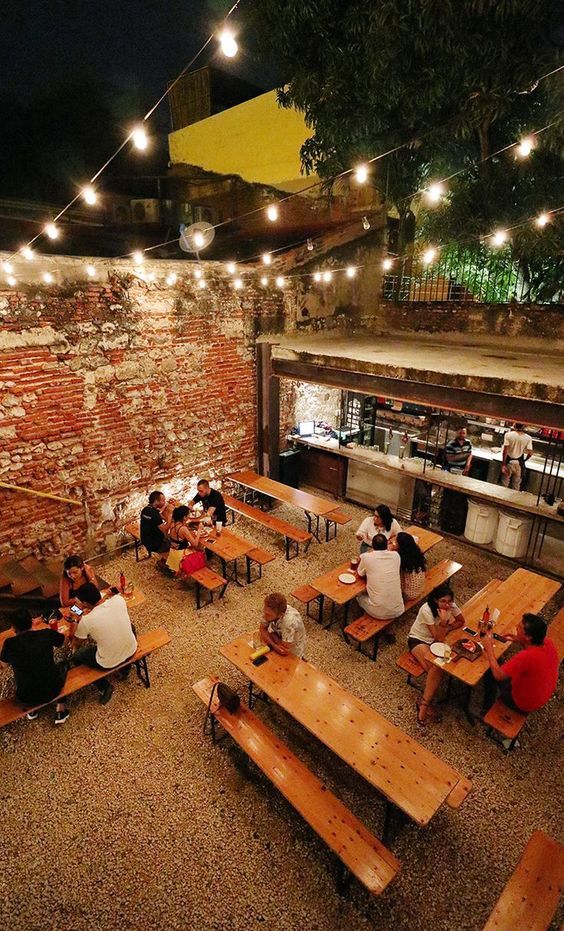
This dependence has slowly made life more comfortable but also more passive. Daily movement has reduced. Walking has been replaced by vehicles. Cooking has been replaced by ordering. Physical labor has been replaced by convenience. Food, once an act of survival and culture, has turned into consumption without responsibility. The result is visible not just in health statistics, but in the changing rhythm of life itself.
Kerala is admired for many things, literacy, awareness, and social progress. But this food centered lifestyle and growing dependence raise important questions. When a society stops producing what it eats and starts outsourcing even its basic needs, it slowly loses resilience. Convenience feels like progress, but it comes with hidden costs.
Perhaps it is time to pause and reflect. Food should nourish, not weaken. Work should sustain dignity, not avoid effort. Development should balance comfort with responsibility. Otherwise, we may continue to eat more, work less, and treat more, without ever addressing the root of the problem.
Congratulations
Appreciate your observation and fact write to deliver strate readers heart and across mind to think.
Thank you and all the best wishes in your professionalism.
Very very true. Instead of health is wealth keralite wealth is health.