
Today, humans are losing wisdom completely by overusing technology. Nobody uses their own ability to find solutions anymore, from simple calculations to writing a university thesis, everything is dependent on machines. If one day technology disappears, human society will face an enormous financial and social downfall. There will be no escape from such a collapse.
Dementia is no longer a rare disease. It has become common. The symptoms may differ from person to person, and many may not even be aware of them. But it is there, silently growing. We are ignoring the signals. For many, it appears in different forms, small but frequent lapses of memory.
I personally know many people who forget things easily. They do not realize it. When we give them any responsibility, we must keep reminding them repeatedly because they overlap multiple tasks but fail to complete even one properly. It is a sad reality.
We are processing a massive amount of information every day. Data flows in and out of our heads like the feeds on our screens. But unlike a mobile phone with a motherboard, the human brain is not designed for such constant overload. It gets fogged, tired, and confused. Over time, it forgets more than it remembers.
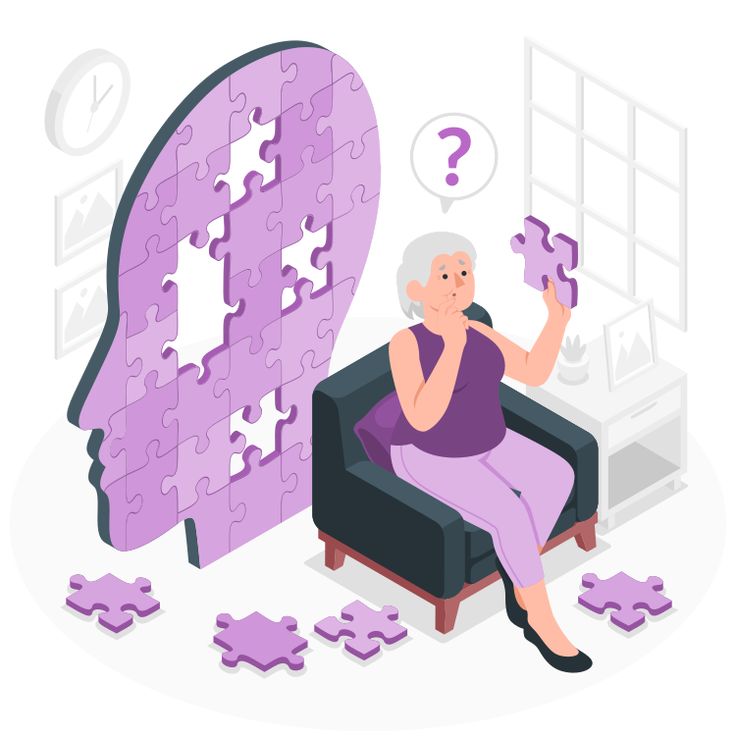
Dementia is a medical condition, but I believe it has now moved beyond the boundary of a disease that occurs only with age. Memory loss has become a common condition, triggered by the overuse of screens. Earlier, it affected mostly older people when the neurons lost their strength and efficiency. Now there is no age bar. The sharpness of our mind is rusting because it is rarely used. The responsibility lies entirely on our screens.
Alzheimer’s is the most common type of memory disorder, but there are several others too. All of them affect memory, thinking, and daily life. Poor diet, inactivity, and constant stress can increase the risk even more. And these three reasons are there in abundance with us today.
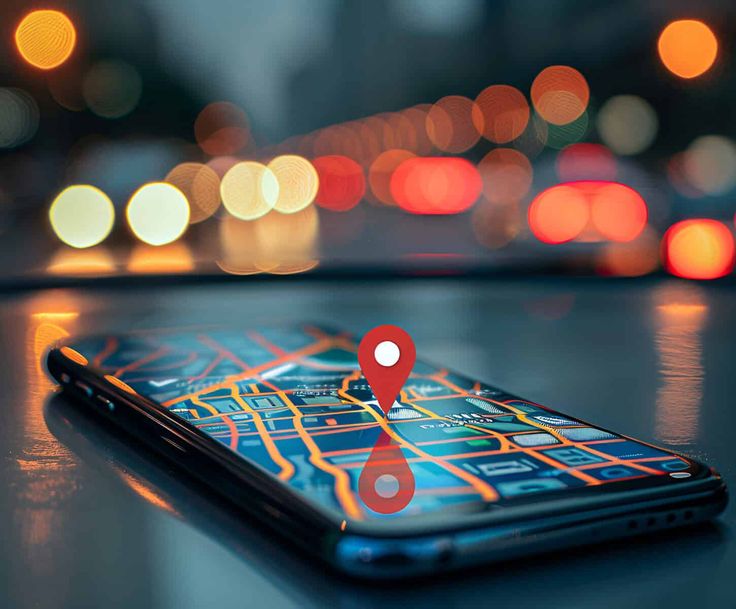
Another example is the overuse of GPS. It has made life easier, but also duller for our brains. Most people now use maps even for the simplest routes. While travelling, we no longer engage our brain, we merely follow a voice. As a result, even if we travel the same route a thousand times, our brain does not register it. But if we drive without GPS, by the second or third time we can easily remember the path. I often try this, and it really works.
Earlier, taxi drivers were true masters of the road. They knew every turn, lane, and shortcut in their city. Today, even drivers who have been in the same place for years cannot move without a digital map. They often argue with passengers when mistakes happen due to GPS errors, completely unaware of how dependent they have become.
To avoid dementia and mental dullness, we must reduce our dependence on mobile phones and quick digital aids like calculators or maps. We must start using our brains again, let them work for us instead of machines.
Interestingly, we can even regain memory power by using the parts of our body and mind that are not regularly active. For instance, if someone is right-handed, try doing daily tasks with the left hand. You will notice your brain becoming more alert. Try doing things manually, with effort and patience. If mistakes happen, correct them and try again before reaching for an app or device. Let your natural system work first.
Technology is a gift, but it was meant to assist humans, not to replace their intelligence. The more we surrender to it, the more we weaken the essence of being human. Perhaps the true advancement of the future will not be in faster machines, but in slower minds that can think again.